National Museum reinforcement
Protecting Lebanon's collections during wartime
The problem we address
The National Museum of Beirut and Directorate General of Antiquities (DGA) storage areas needed practical safeguards for collections during the 2024 emergency. Chemical waste, obstructed passages, vulnerable shelving and windows, and electrical equipment close to wooden storage boxes created risks for both collections and emergency access. Biladi’s response combined immediate clearance with materials and protective measures ready for use during a crisis.
Location and dates
National Museum of Beirut and Directorate General of Antiquities warehouse, archive rooms and storage areas, Beirut, Lebanon. The report records work from 26 August through 10 October 2024, including clearance on 26–27 August, passage and sandbag preparation on 11 September, collection and shelf protection on 24 September, sandbag placement on 3 October, fire and security work on 8 October, and work in Rooms 6 and 10 on 9–10 October.
Activities completed
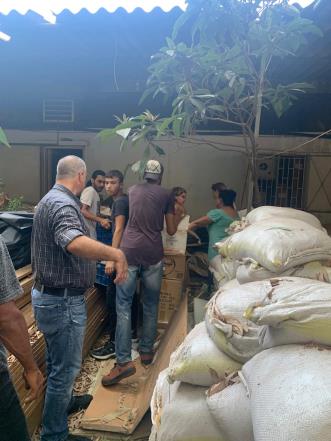
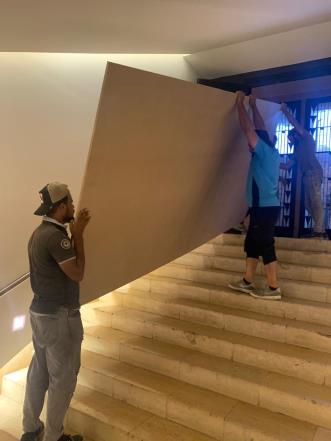
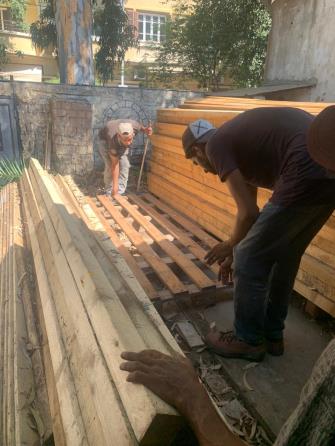
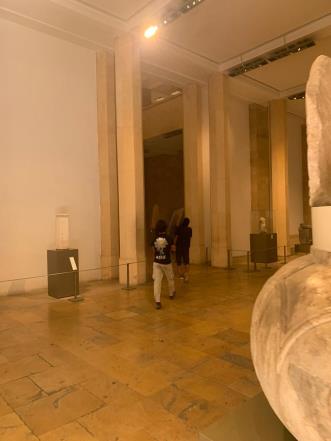
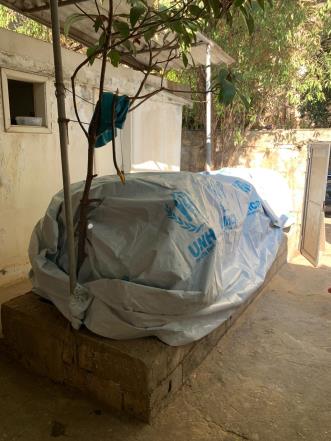
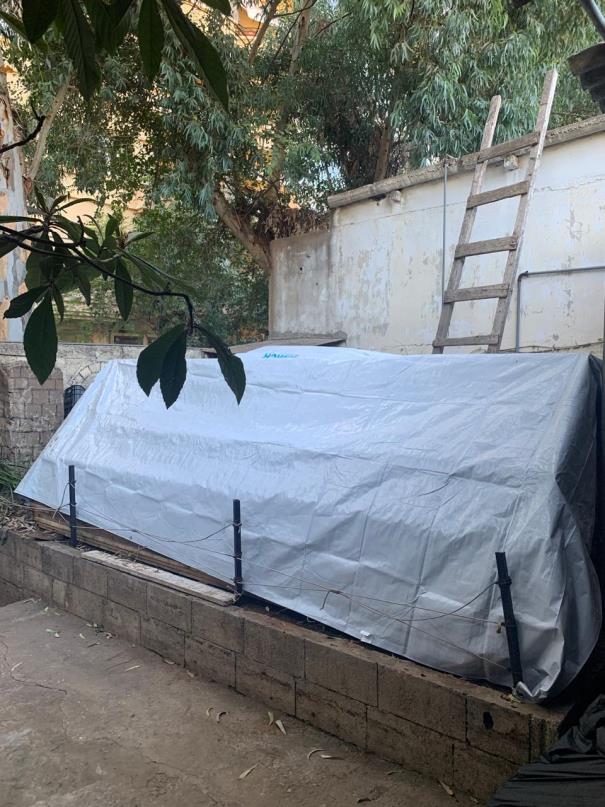
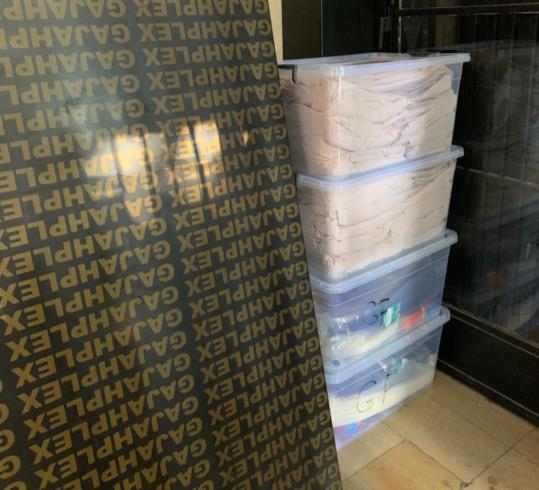
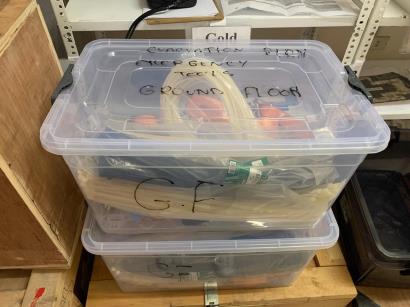
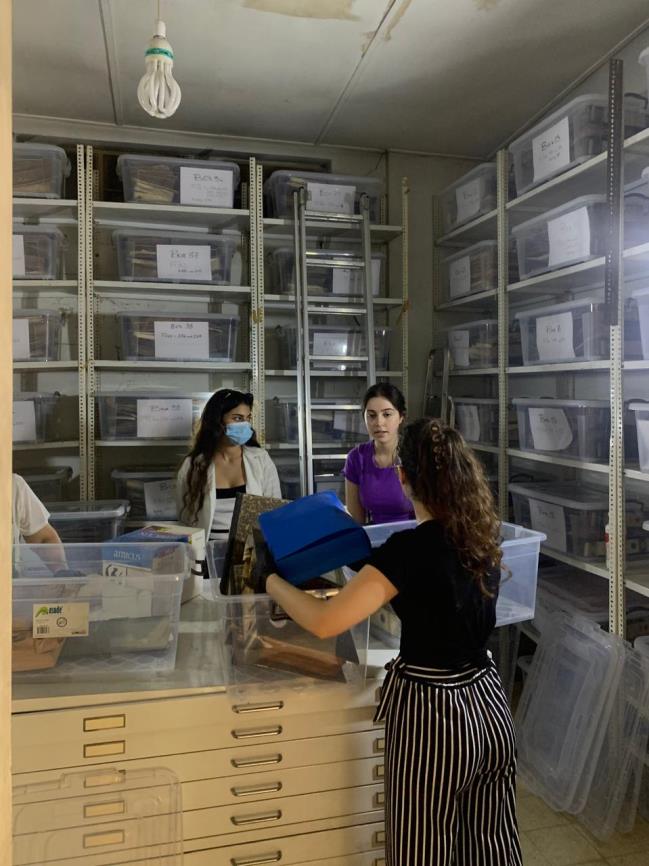
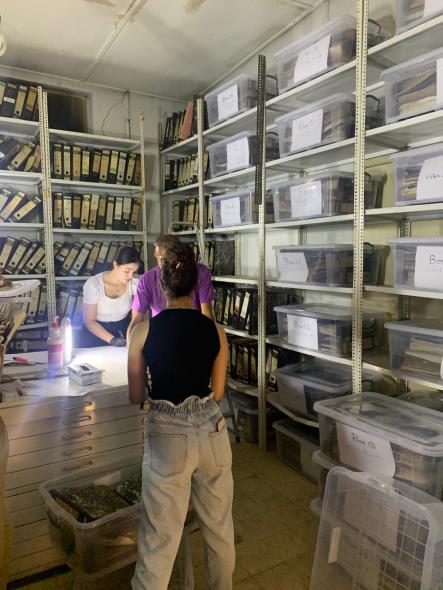
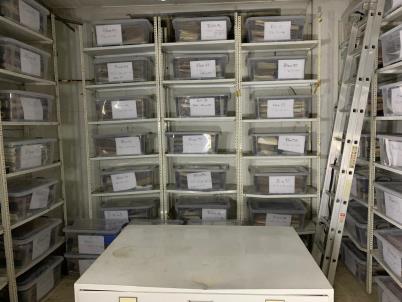
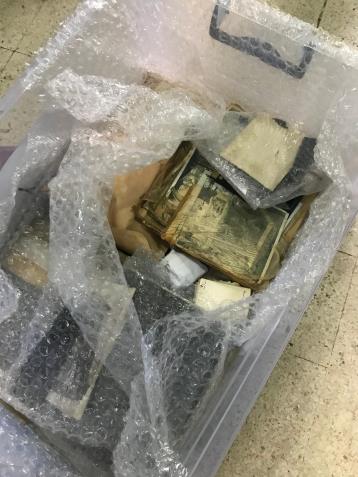
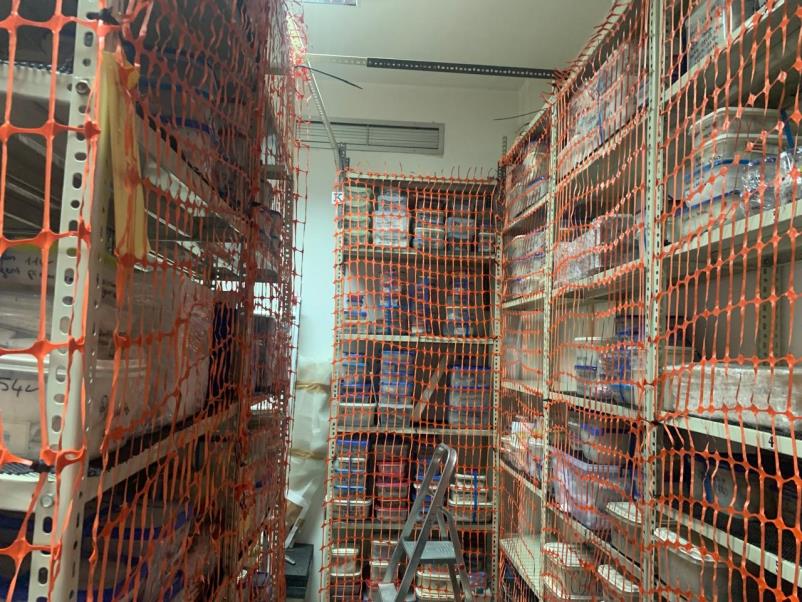
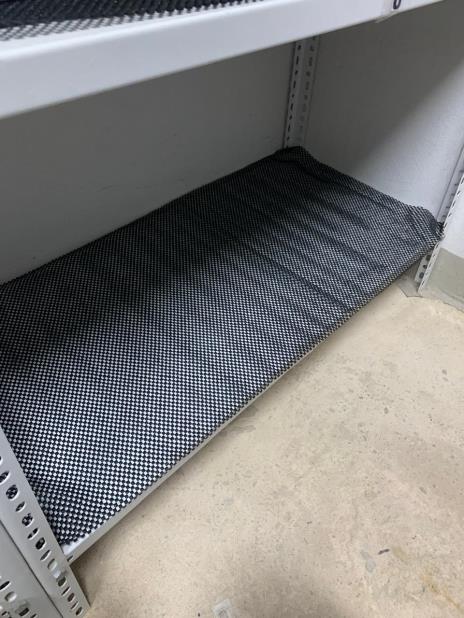
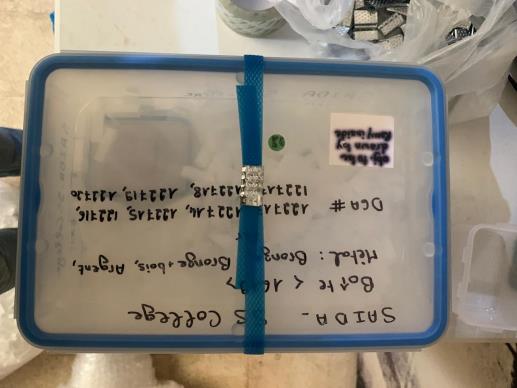
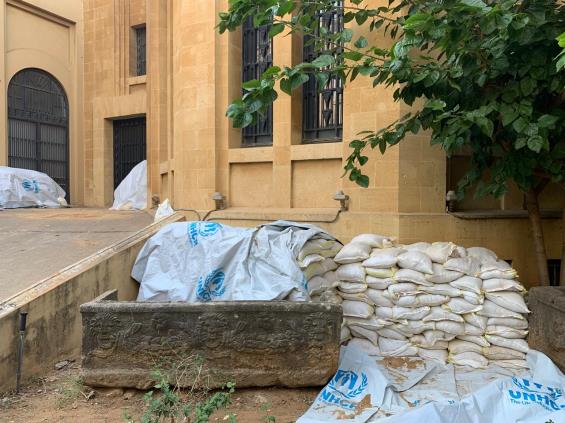
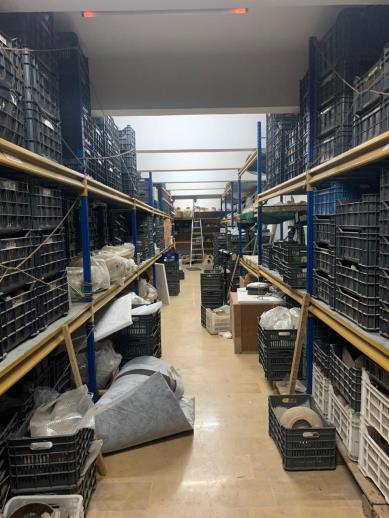
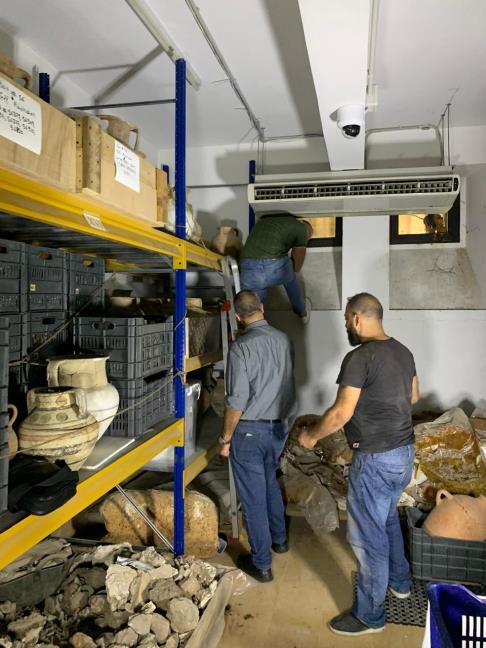
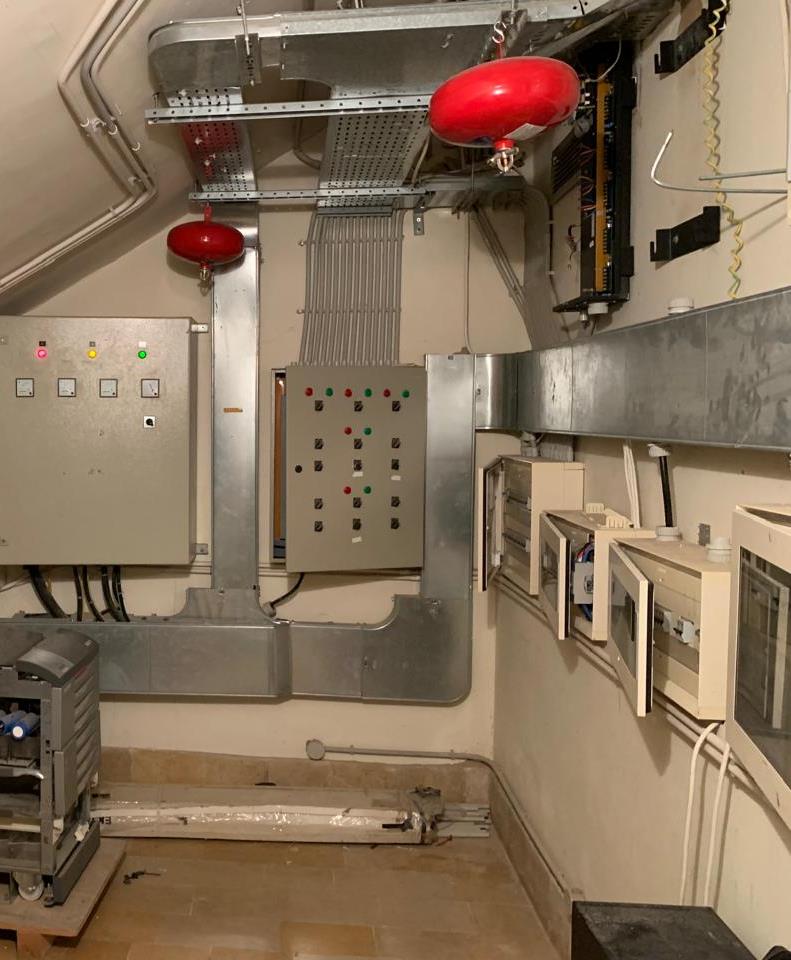
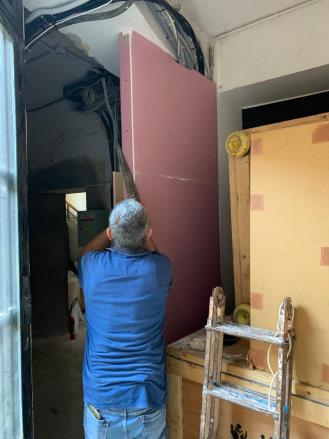
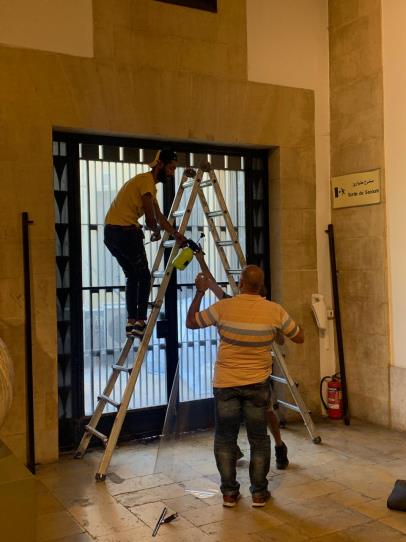
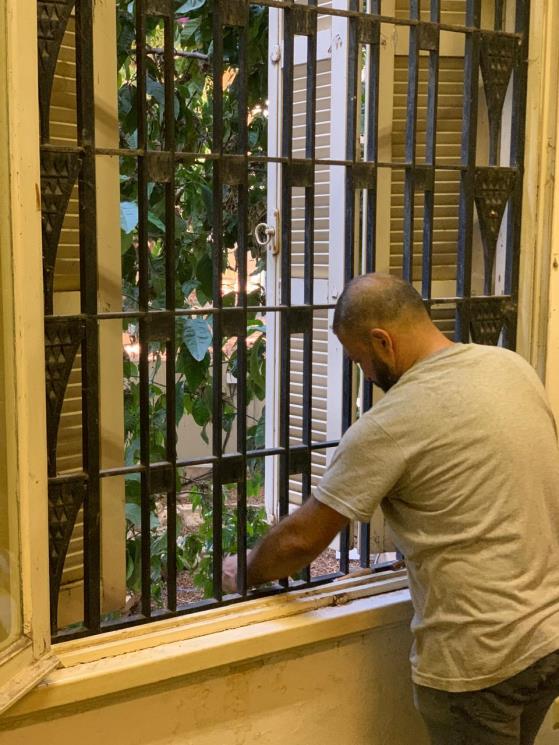
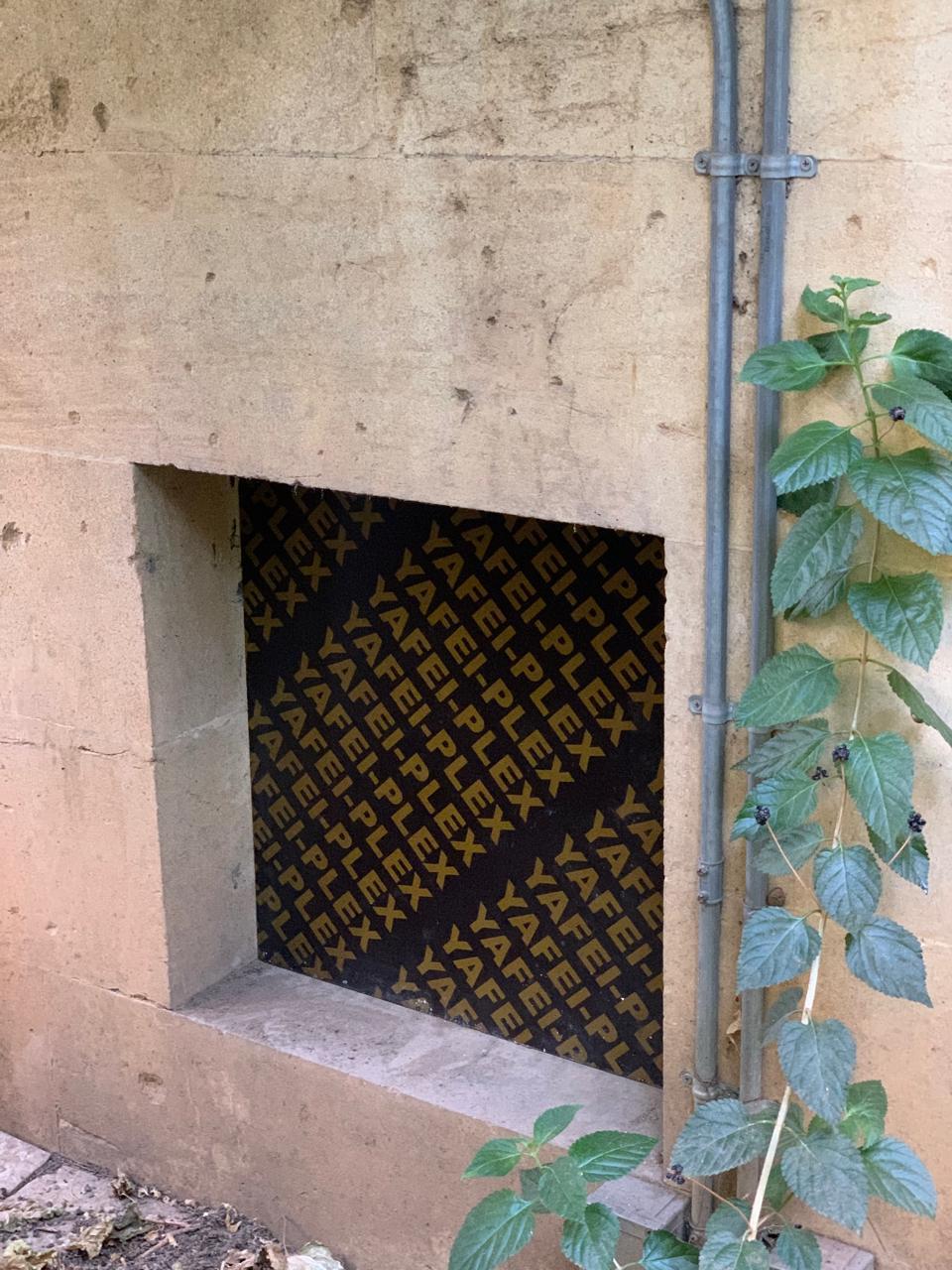
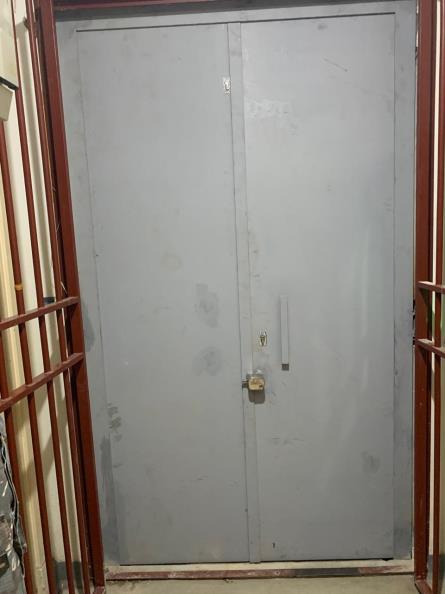
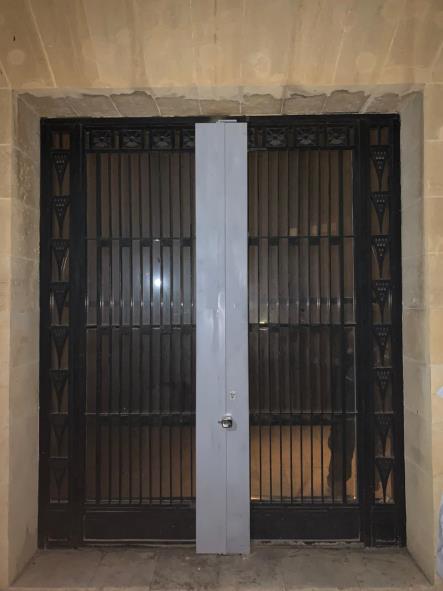
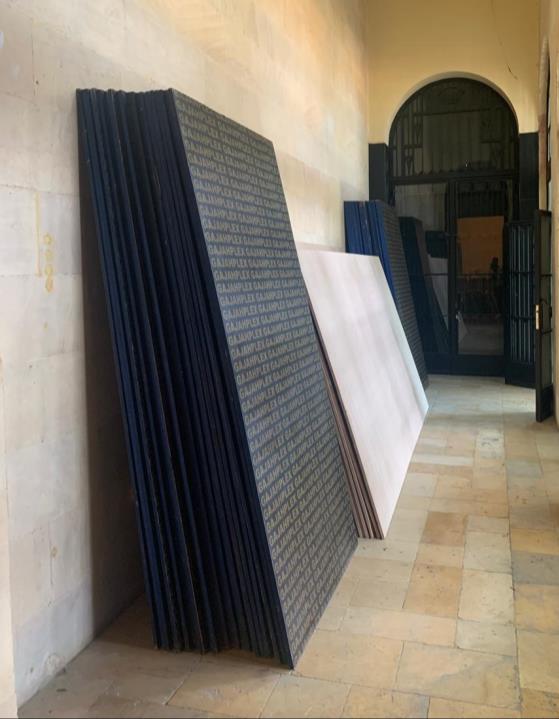
Clearance and safe access Chemical waste was removed from the DGA entrance and museum laboratory. Waste and wood were cleared from passages and the electrical-room entrance, and materials were relocated to a designated emergency room. Archaeological stone objects were covered and existing sand was rebagged. Emergency protection supplies An emergency room inside the museum was prepared with around 80 wooden panels in two sizes and four boxes of tools and covering materials for statues. Bubble wrap and geotextile were stored nearby. Approximately 1,000 sandbags were placed in front of the museum’s emergency door. Collection and storage protection Teams worked in Rooms 6 and 10 and the depots, securing small items, adding cushioning beneath boxes and protective orange netting to shelving. Glass plates and books in Room 10 were carefully covered and secured. The report also documents improvements in the pottery depot. Fire and window protection A fire system was installed in the electrical room, together with a barrier separating electrical equipment from nearby wooden storage boxes. Glass protection film was applied, DGA windows were inspected and reinforced, and some storage-area windows were sealed from outside. Security doors Two doors were made and installed, one at the DGA and another at the museum. The museum’s emergency door was also reinforced. The report documents this work under ZOD Doors.
Beneficiaries reached
The response safeguarded archaeological objects, statues, pottery, small collection items, glass plates, books and archives held by the National Museum and DGA. It also improved access and preparedness for the staff responsible for caring for and protecting these collections. The report does not provide a visitor, staff or total-object count.
Partners and funders
Biladi carried out the documented response at the National Museum of Beirut and the Directorate General of Antiquities. ZOD is identified in the report for security-system and door work; 3M is identified for glass protection. The supplied photographic report does not name a funding organisation.
Results and lessons learned
The report documents cleared passages, an equipped museum emergency room, reinforced collection storage, approximately 1,000 sandbags, fire-protection measures, reinforced windows and two new security doors. Original before-and-after photographs record the changes to access routes, the emergency room, Rooms 6 and 10, shelving, pottery storage and doors. The task tracker marks the main clearance, collection-protection, fire, window and security activities as completed. It also lists tree trimming, a wall around fuel tanks, lock changes for Rooms 6 and 10, and room dividers as blocked. These entries should not be counted as completed work; the separate completed entries for Rooms 6 and 10 do not establish that their lock changes were finished. Around 80 refers to wooden protection panels stored for emergencies, not 80 permanently built walls. The report records preparedness measures and photographic evidence, rather than a quantified reduction in damage or loss.
From the field