Heritage in Motion
Learn, love, save heritage
The problem we address
Lebanon’s cultural heritage is vulnerable during conflict and emergencies, while many young people have few opportunities to experience it directly. Heritage in Motion connects education with practical protection: a mobile museum builds pride and belonging in everyday life, and cultural heritage ambulances provide resources for evacuation, salvage and safeguarding during a crisis. The project follows Biladi’s principle: Learn, Love, Save Heritage.
Location and dates
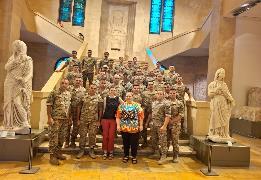
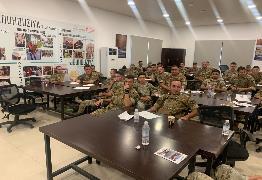
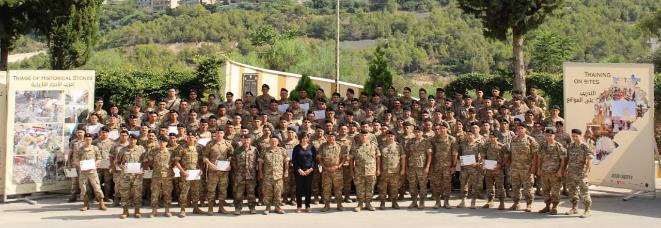
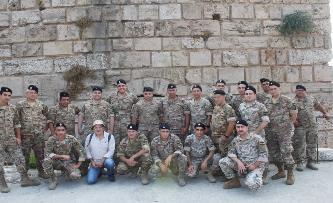
August 2023–September 2024, Lebanon. The detailed outputs list six Lebanese University branches: Furn Shebak, Deir el Qamar, Tripoli, Zahle, Fanar and Hadat, with 20 field days for exhibition setup and visits. Community stops included Sahel Alma and Baabda (one day each), Mechmech and Jaj (two days each). Military training took place in classrooms, at the National Museum of Beirut and at the World Heritage site of Byblos. The summary uses different campus and community counts; the locations here follow the detailed outputs.
Activities completed
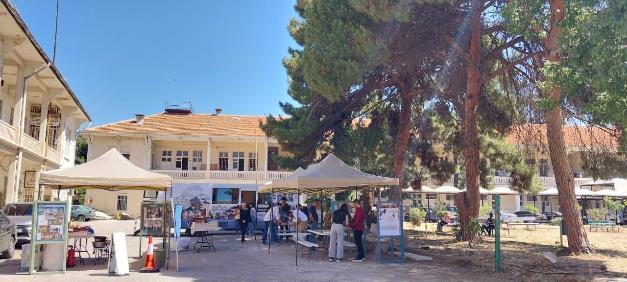
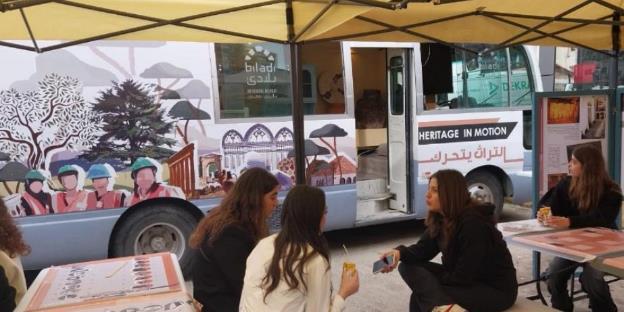
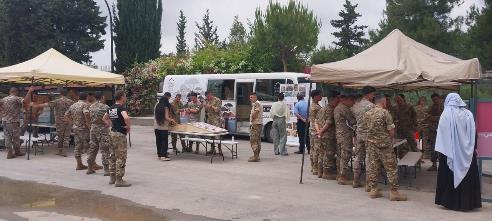
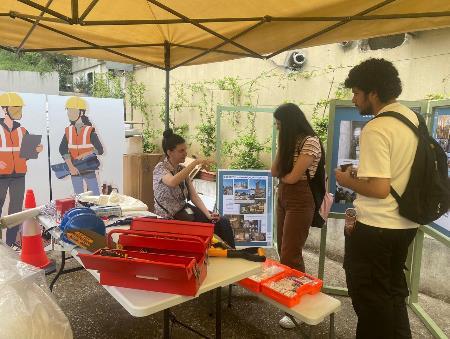
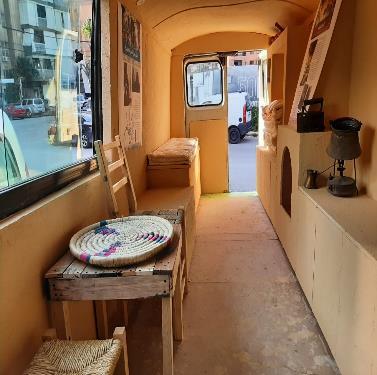
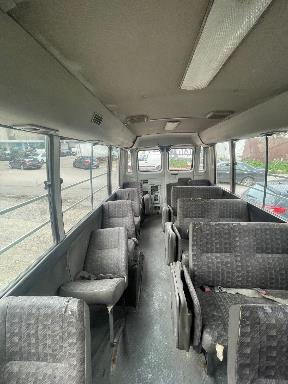
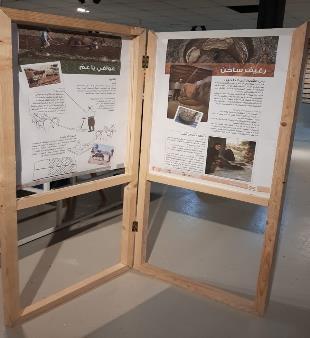
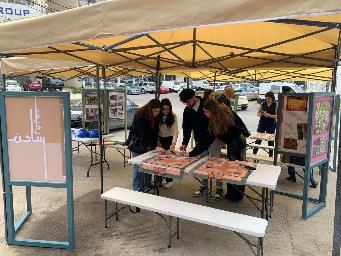
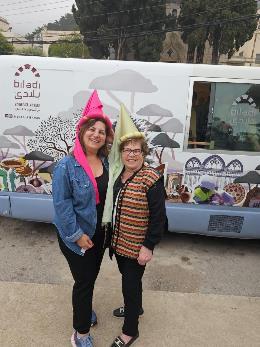
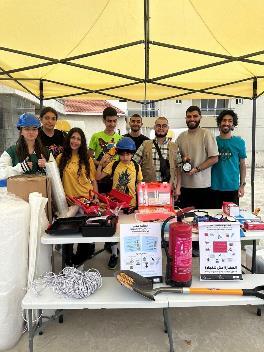
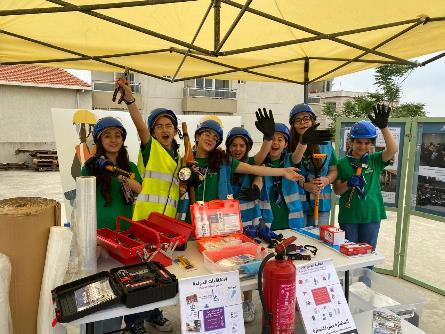
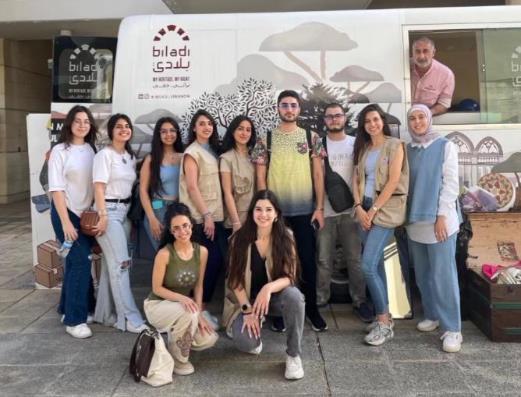
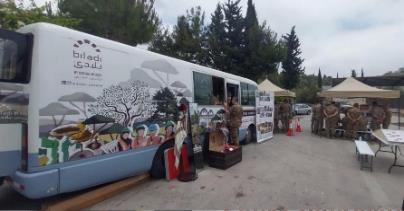
A mobile museum and cultural ambulance Biladi refurbished a used 23-seater Nissan bus, equipping it for both rural heritage exhibitions and cultural emergency response. The Lebanese Armed Forces’ Independent Works Regiment upcycled its own vehicle into a second cultural heritage ambulance. My House in the Village The first exhibition recreated a traditional Lebanese rural home, exploring agriculture, bread-making, food preservation, household objects, food, music and dance through hands-on, multisensory experiences. Outdoor tents extended the exhibition to rural heritage and safeguarding techniques. Sixteen educational panels and a ten-page booklet accompanied the tour. Heritage monitors Lebanese University archaeology and architecture students received five days of training and were required to complete at least five days of work on the bus to earn their certificate. They guided visitors, explained rural heritage and emergency-response basics, and connected the exhibition with their campuses. Military emergency preparedness Biladi supplied documentation equipment to the Independent Works Regiment: a drone, camera, tripod, microphone, two computer sets and a laser printer. Training combined classroom learning, museum tours and site visits; the detailed outputs record 12 training days, following the shift to a four-day format rather than one-day introductory sessions.
Beneficiaries reached
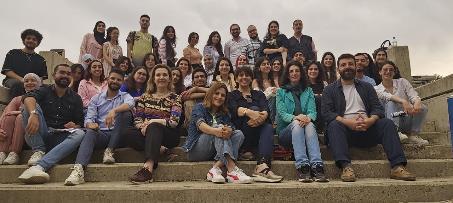
Over 1,000 visitors from Lebanese University campuses and local communities experienced the mobile museum. Participants included students in architecture, archaeology and other disciplines, army officers and community members. The report’s summary records 35 university students and 121 mid-ranking officers; its detailed outputs record 33 heritage monitors and 121 officers and soldiers. A later narrative gives 141 officers. These training totals differ within the source and should be reconciled before being treated as definitive.
Partners and funders
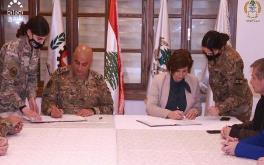
Implemented by Biladi in partnership with the Lebanese Armed Forces, especially the Independent Works Regiment. A memorandum of understanding with the Lebanese University’s Faculty of Fine Arts and Architecture supported access to its campuses. Cultural Emergency Response provided expertise and support when needed. This final report was supplied as the Kaplan project report; it does not explicitly identify a funder in its text. Report team: Joanne Bajjaly, Project manager; Dr. Rana Dubaissy, Project Coordinator; Clara Achkar, Financial coordinator (names as credited in the report).
Results and lessons learned
Two cultural heritage ambulances were established and equipped, connecting training with practical emergency-response capacity. The mobile museum reached over 1,000 visitors. Evaluation combined visitors’ 20-question surveys, written comments and an open impact assessment for university heritage monitors. The report’s charts show 76% correct responses for object-related questions, 67% for usage-related questions and 87% for protection-related questions. These are post-visit results, not a measured before-and-after gain. The experience-rating chart records 615 Excellent, 165 Good, one Boring and two Time Waste responses. Students described stronger leadership, initiative, communication skills and connections across disciplines and communities. Their question about the ambulance’s role outside emergencies led to its dual-purpose mobile-museum concept. War conditions required transporting the bus by car carrier and avoiding the South. Campus outreach worked well through student heritage monitors; festival and community visits attracted fewer visitors and need a different approach. The original report below preserves its charts, photographs and differing training totals.
From the field