AVOCADO
Food-production skills and pathways to work
The problem we address
Lebanon’s economic crisis made access to training and decent work harder for vulnerable Lebanese and refugee youth. Biladi’s contribution to AVIE connected traditional food-preservation knowledge with vocational skills, food safety and real workplace experience. An adapted baking programme also addressed barriers facing young people with disabilities. This page presents the supplied 2023 AVIE report within the AVOCADO section; its figures describe that project cycle, not the broader programme’s lifetime reach.
Location and dates
Reporting period stated on the cover: 19 January–30 September 2023; submission date: 15 September 2023. Training took place at Anwar El-Menieh organisation in the Tripoli area, Abdeh Agricultural Technical School in Akkar, Khiam Agricultural Technical School in Marjeyoun, and Nabatiyeh Agricultural Technical School. The adapted programme ran at Agonista in Jdeideh-Metn. The timetable includes a Khiam workplace-training end date of 8 October, beyond the stated reporting period; the original report preserves that entry.
Activities completed
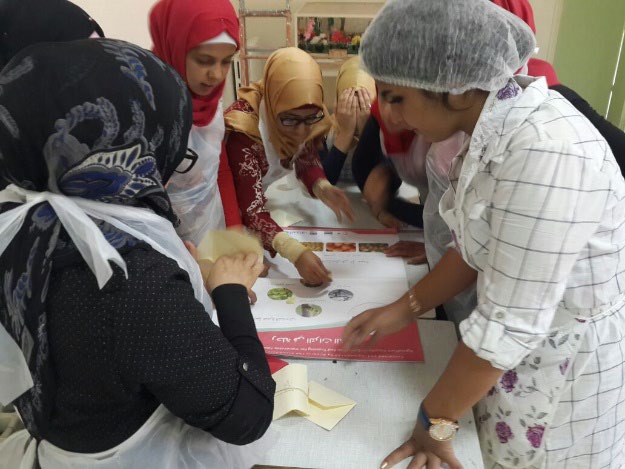
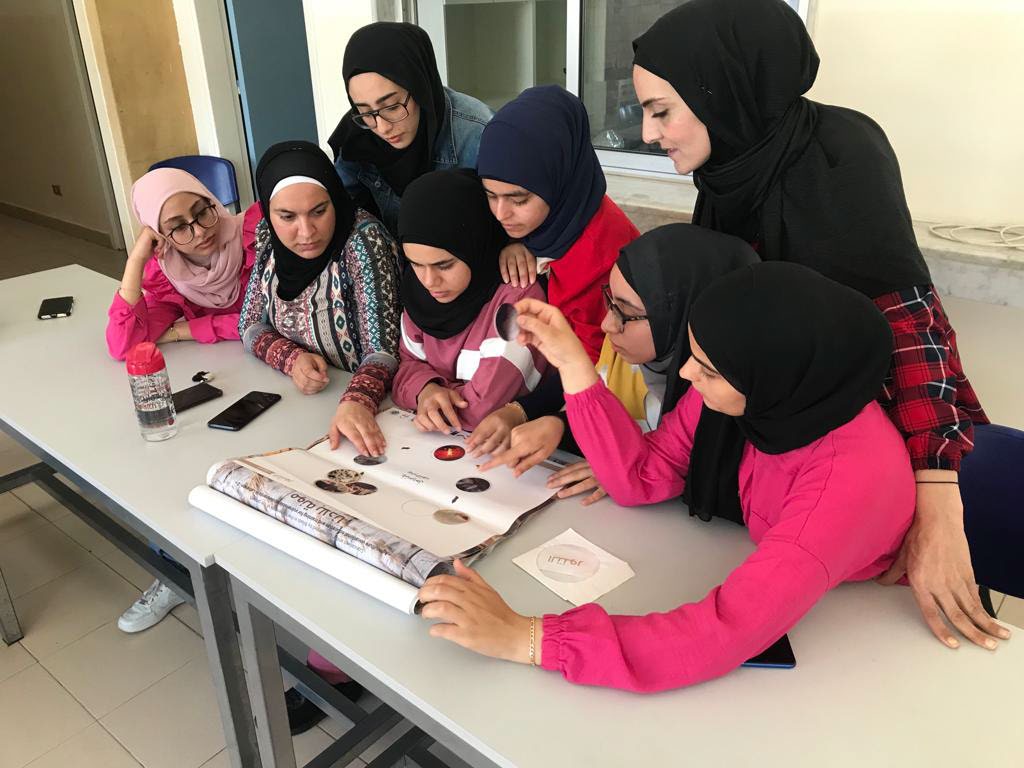
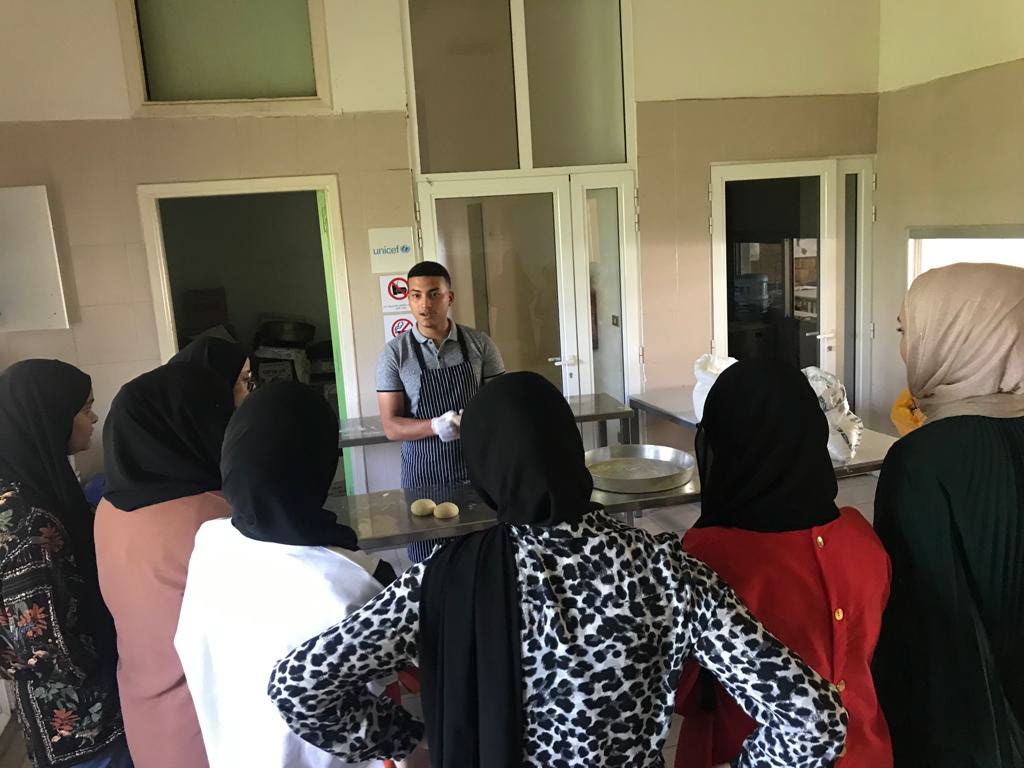
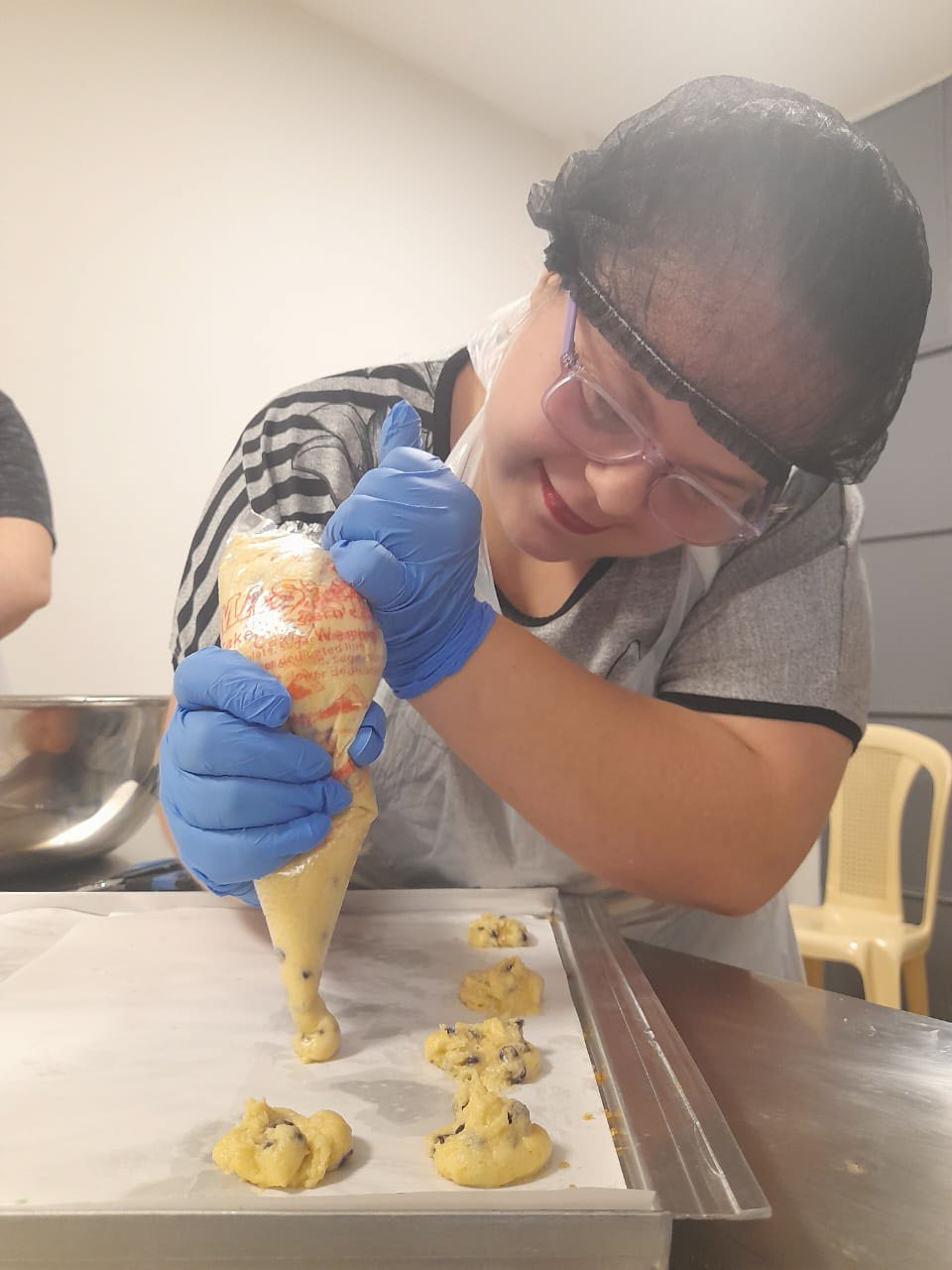
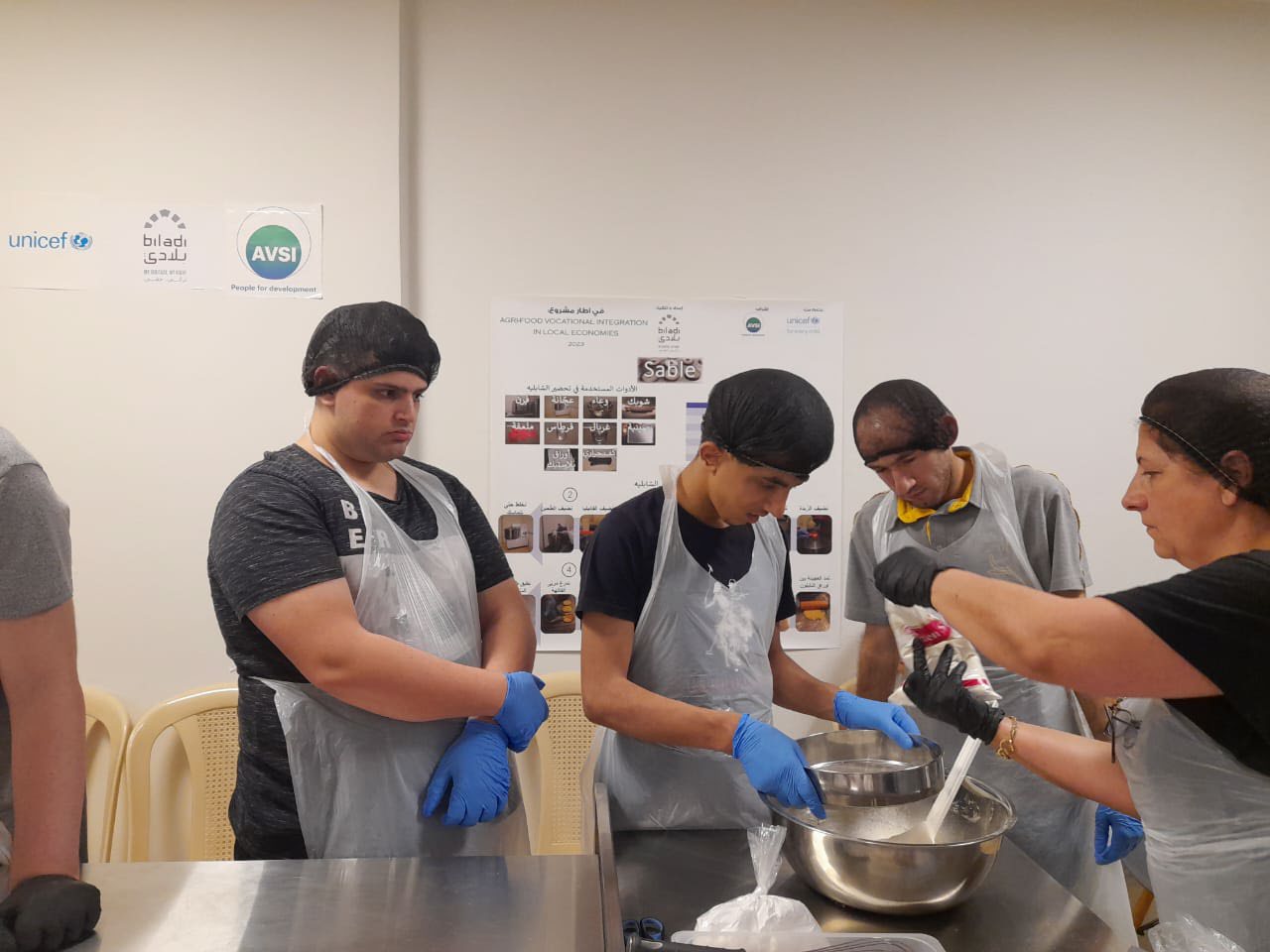
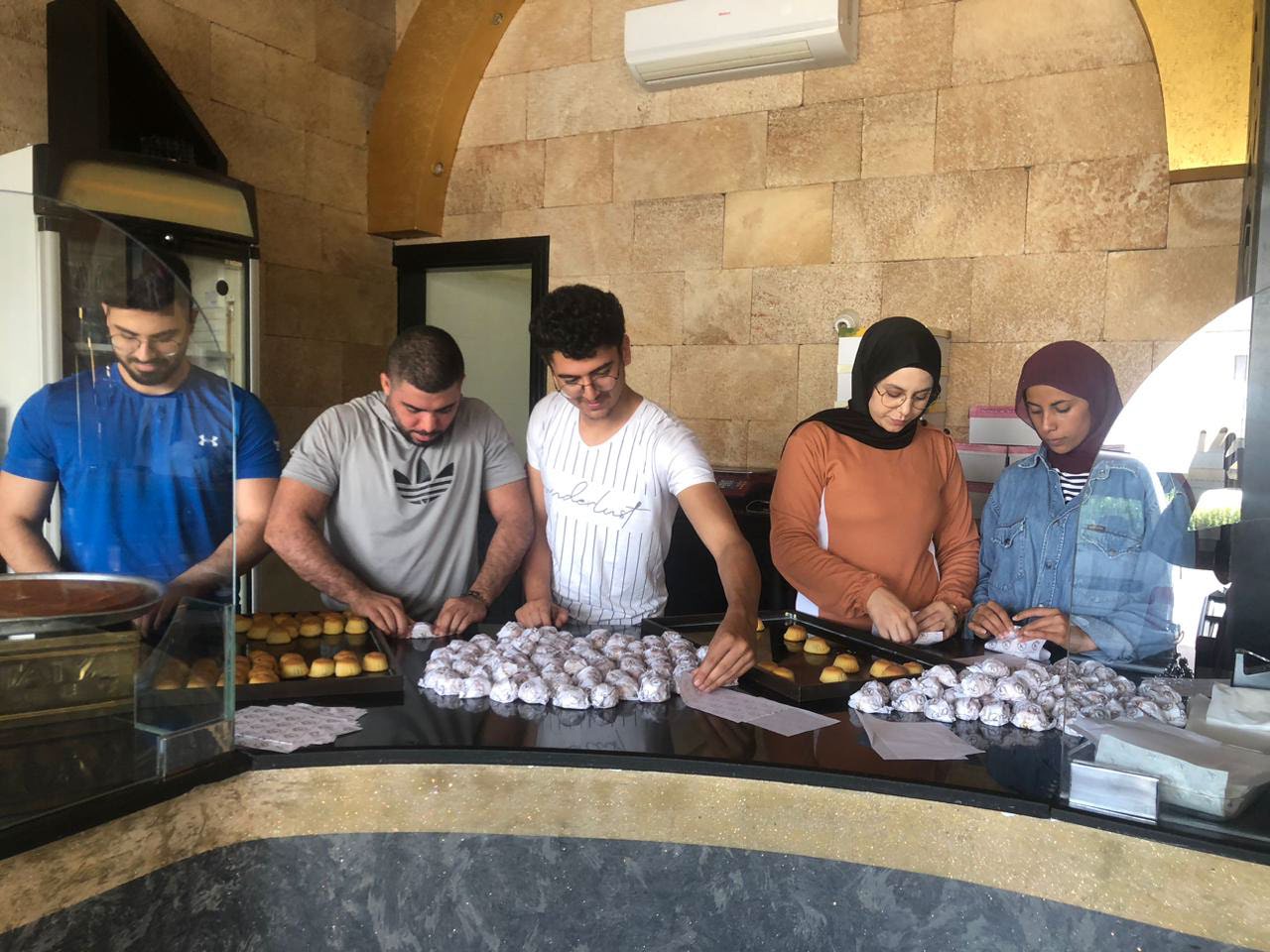
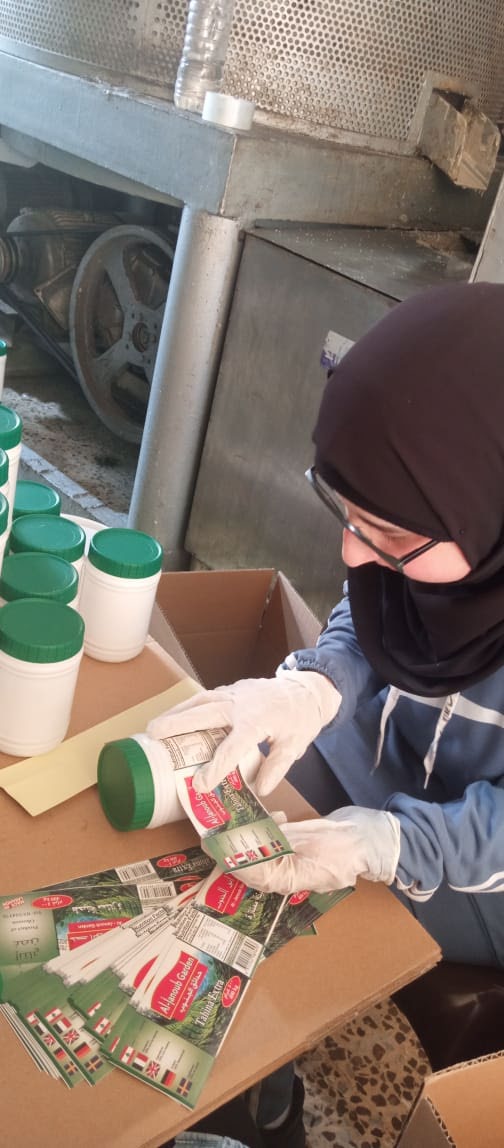
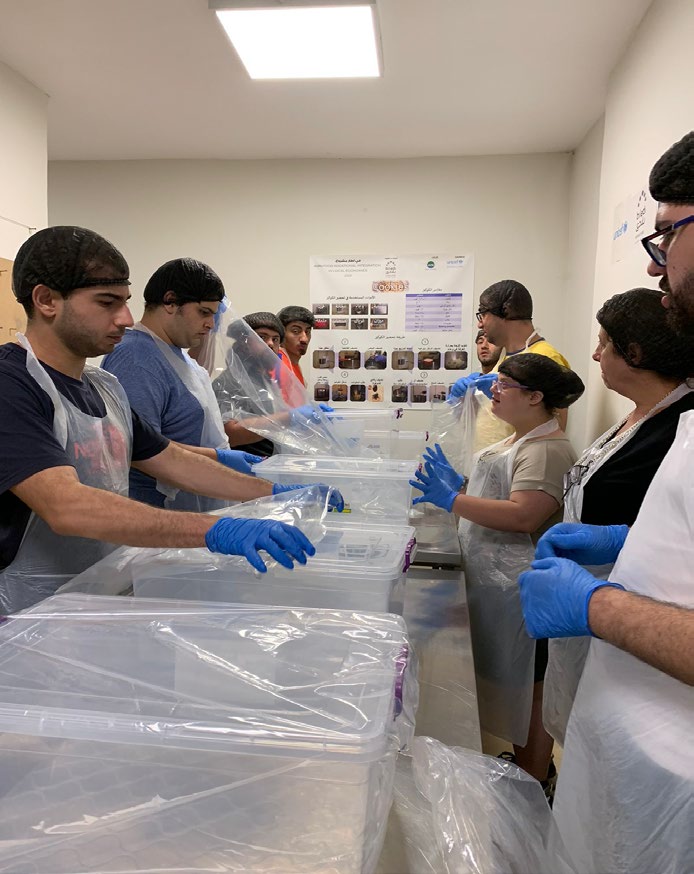
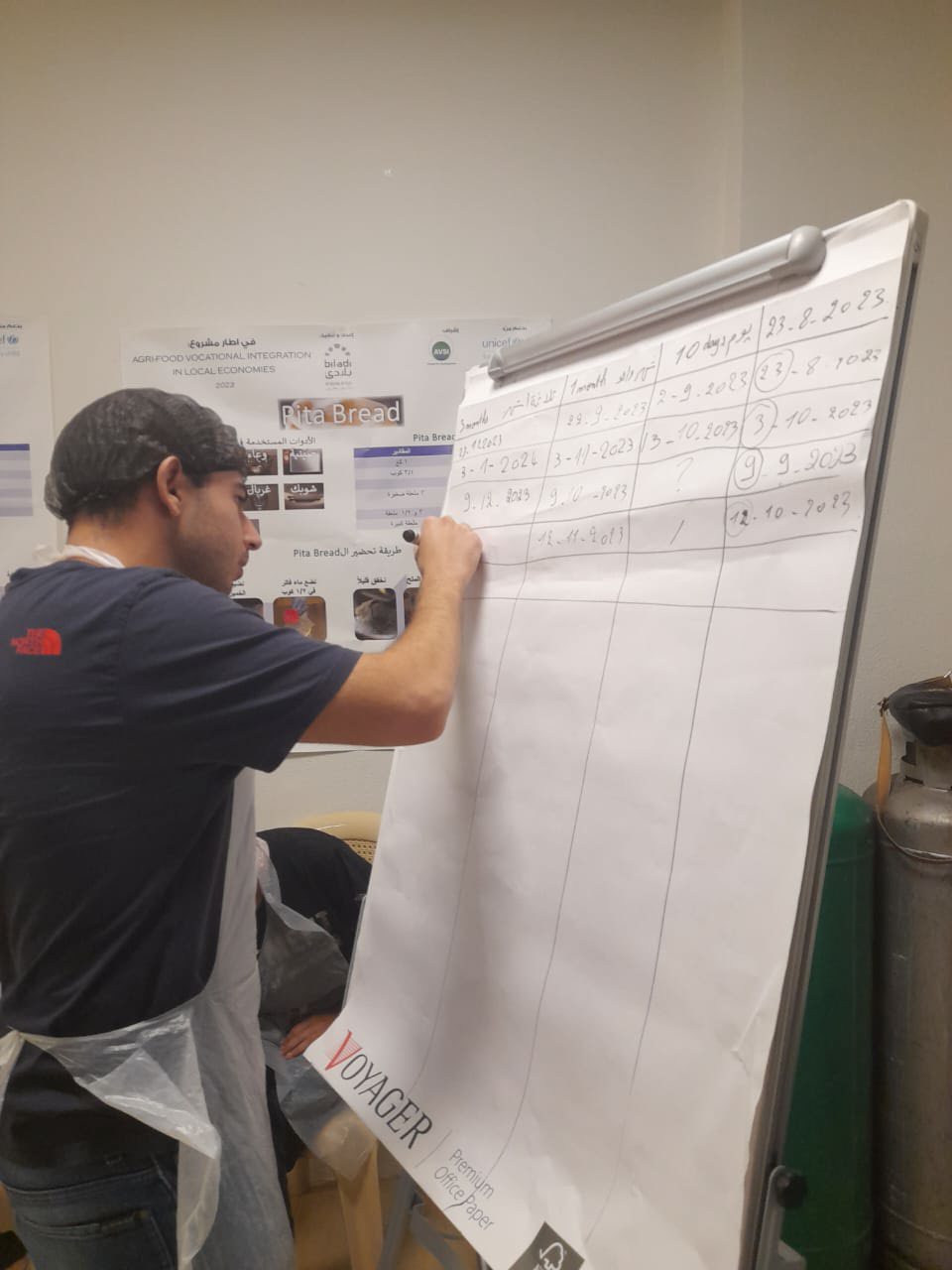
Mouneh and food-production training Participants received 60 hours of learning over 15 days, combining practical exercises with hygiene, sterilisation, food preservation, nutritional quality and workplace rights. Topics included dairy products, fruit and vegetable processing, bread and pastries, sweets, drying, ready-made meals, tomato products, aromatic waters, soap and pricing. Workplace experience The report records 116 young people moving into 26–35 days of on-the-job training with local private-sector hosts. Placements were matched to residence and interests. Agreements and codes of conduct framed a safe workplace, while equipment support helped participating businesses host trainees. Certificates recognised course and workplace-training completion. Adapted baking programme Ten young people with disabilities at Agonista received 100 hours of training over 25 days and 40 days of cash-for-work production activities. The Super chefs group learned six recipes: sablé, cookies, cinnamon rolls, baguette, plain bread and crackers. Visual teaching materials, repeated practical exercises, games and support from a specialised chef and psychotherapist addressed individual learning needs. Hygiene, labelling, shelf life and preservation were integrated into the programme. Learning assessment Personal pre- and post-tests assessed knowledge of Mouneh, hygiene and food preservation. Workplace evaluations considered use of acquired skills, entrepreneurial interests, employers’ assessments and possible recruitment.
Beneficiaries reached
The narrative records 120 participants aged 14–24 in the Mouneh courses: 30 in the Tripoli area, 45 in Akkar, 23 in Marjeyoun-Khiam and 22 in Nabatiyeh. Of these, 116 undertook workplace training. Ten additional participants with disabilities completed the adapted Agonista cycle. The timetable lists 25 participants for Khiam and 11 for Agonista, while the results narrative and monitoring section give 23 and 10 respectively. Figures displayed here follow the results narrative; the original tables remain available in the report.
Partners and funders
Biladi implemented its contribution to AVIE in partnership with AVSI. Training involved Ministry of Agriculture food-production teachers, agricultural technical schools, Anwar El-Menieh organisation and local private-sector hosts. Agonista hosted the adapted training and production cycle. Workplace hosts named in the report include bakeries, pastry shops, food producers and cooperatives in North and South Lebanon. The report also refers to UNICEF-funded PSDP food-transformation material; this reference is not presented as confirmation that UNICEF funded the whole AVIE project.
Results and lessons learned
Knowledge improved in every location shown in the report’s pre/post-test results: Tripoli round 1: 72% → 83%; round 2: 65% → 96%. Abdeh round 1: 42% → 90%; round 2: 63% → 90%. Nabatiyeh: 66% → 88%. Marjeyoun: 67% → 78%. Employers reported satisfaction with trainees’ skills, and the narrative notes full- or part-time job offers and improved opportunities without providing a verified employment total. The adapted group gained independence in measuring, mixing and baking; earning money through production strengthened participants’ self-esteem. Transport costs, water and electricity shortages, limited equipment and learning barriers required practical adjustments and repetition. Biladi supplied equipment and water, rented ovens, adapted teaching and relocated trainees who faced discrimination at workplace hosts. The adapted programme demonstrated the value of visual materials, a supportive environment and individually paced learning. Further training in time management and handling mixed production orders was recommended before expecting participants to meet demanding commercial schedules. The original report below contains the full tables, photographs and lessons learned.
From the field
The original project report
Open final report · 14 pages